
SCHOOLS & PRODUCTS / PROGRAMME FORMATS
One learning idea.
Five school settings.
A deeper guide to where TEL Education can fit, what students can focus on and what the school needs to plan.
WITHIN EXISTING LESSONS
Put physics in context.
Use the kit as a shared reference for concepts students already meet in physics.

Where it fits
A physics lesson or a short sequence of lessons, especially around Classes X–XI topics.
What students can do
- Start with a prediction about forces or motion.
- Connect an observed outcome to the relevant concept.
- Use measurements or a sketch for reflection, with the educator choosing the level.
What the school plans
Select the class, topic and learning aim. Nominate an educator to decide what is appropriate for the students.
A useful takeaway
A concept explanation, an observation sheet or a short class discussion. This is enrichment connected to curriculum topics, not a separate qualification.
Discuss this format with TELALONGSIDE YOUR EXISTING LAB
Build a systems mindset.
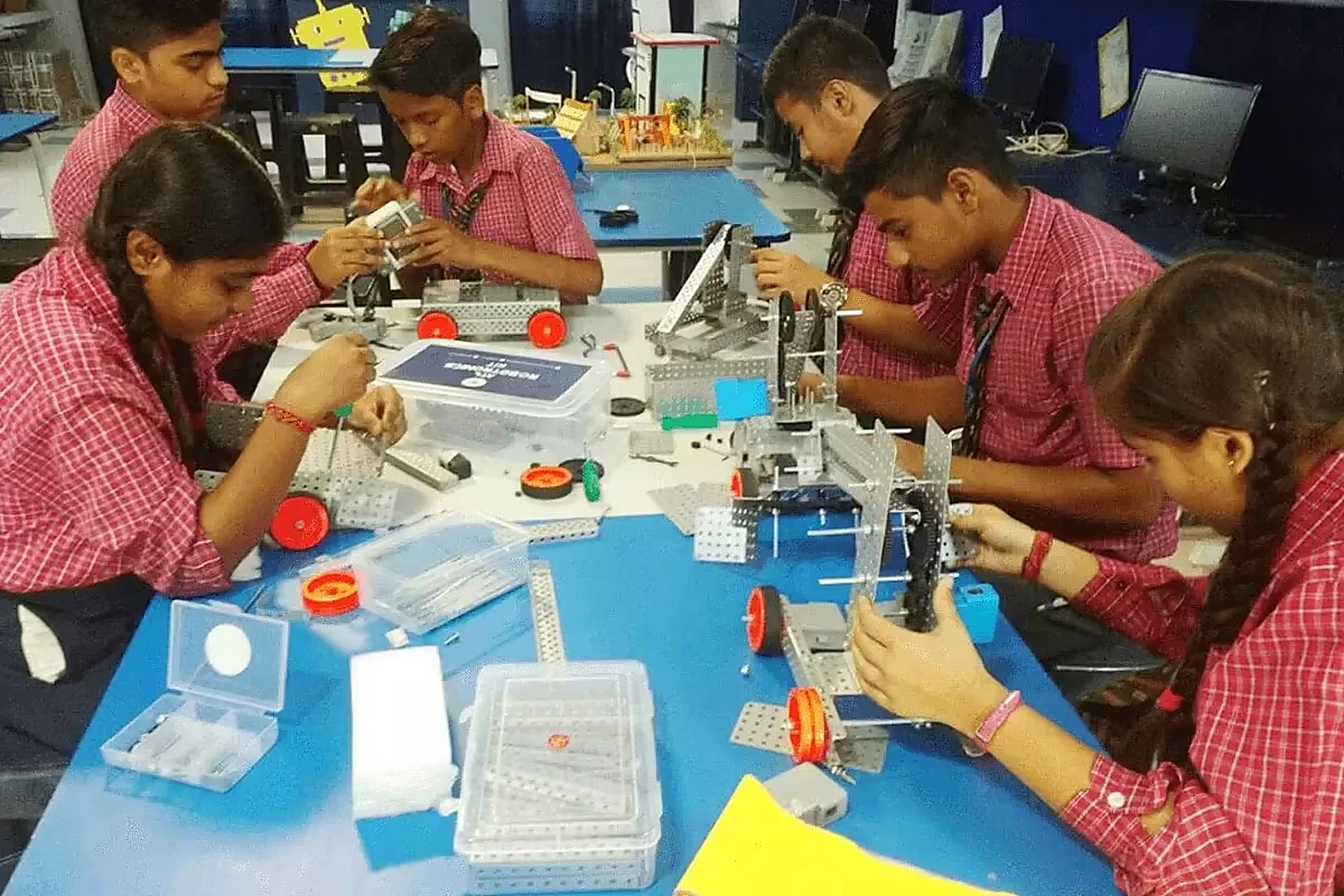
Bring an aerospace-themed project into the practical learning already happening in your school.
Where it fits
An ATL, innovation room or supervised school project group.
What students can do
- Identify the parts of a system and their purpose.
- Discuss design choices, material choices and constraints.
- Document observations and explain a proposed improvement.
What the school plans
Align the activity with lab rules, available space and a supervising educator. Practical activity needs a separately agreed scope and permissions.
A useful takeaway
A design journal, a labelled system diagram or a group presentation.
Discuss this format with TELA FOCUSED ENRICHMENT MODULE
Give curiosity a regular home.
Give a motivated student group a defined project without changing the formal timetable.

Where it fits
A science club, STEM club or a teacher-supported enrichment group.
What students can do
- Divide research, observation and documentation roles.
- Share questions and investigate them with educator guidance.
- Present what the group learned, including what did not go as expected.
What the school plans
Choose the group, club timetable and adult lead. Agree the format and responsibilities with TEL before planning a practical session.
A useful takeaway
A club showcase, a reflective article or a peer explanation.
Discuss this format with TELAN OCCASION WITH A CLEAR PURPOSE
Make the learning visible.
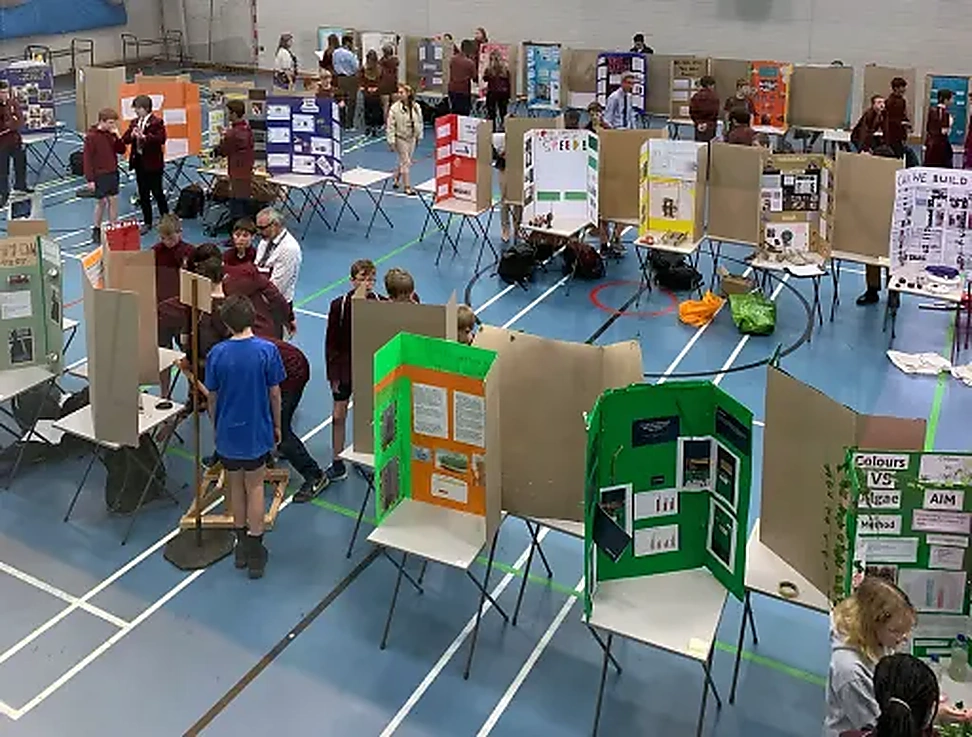
Create a structured story of prediction, preparation, observation and reflection around a school occasion.
Where it fits
A project week, science programme or a supervised STEM showcase.
What students can do
- Plan the learning question and the student presentation.
- Keep an observation and documentation record.
- Explain the process and learning to the wider school community.
What the school plans
Agree the date, audience, venue and staff responsibilities. A showcase does not remove practical permissions or supervision requirements.
A useful takeaway
A student presentation or display showing the questions, observations and learning outcomes.
Discuss this format with TELAN EDUCATOR-LED FORMAT
Let observation lead the lesson.
Let an institution-appointed adult lead the practical component while students focus on concepts and questions.

Where it fits
A school that prefers a demonstration-led learning format.
What students can do
- Predict an outcome before observing.
- Discuss roles, boundaries and responsible decisions.
- Reflect on the observation using age-appropriate physics.
What the school plans
Appoint the adult lead and confirm the environment and permissions. SafeFlight supports preparation; it cannot authorise a practical activity.
A useful takeaway
An observation record, a guided worksheet or a class discussion.
Discuss this format with TELCHOOSE THE FORMAT AROUND THE LEARNING
Start with your
school’s context.
We can discuss the route that fits your classes, educators and timetable. Enquiries for 2027 are open.